Why Does My Cat Meow at Night — and How to Make It Stop
A cat yelling at your bedroom door at 3 a.m. is not being difficult. The cause is usually energy, hunger, or a habit you accidentally trained — and the fix is a routine, not a punishment.
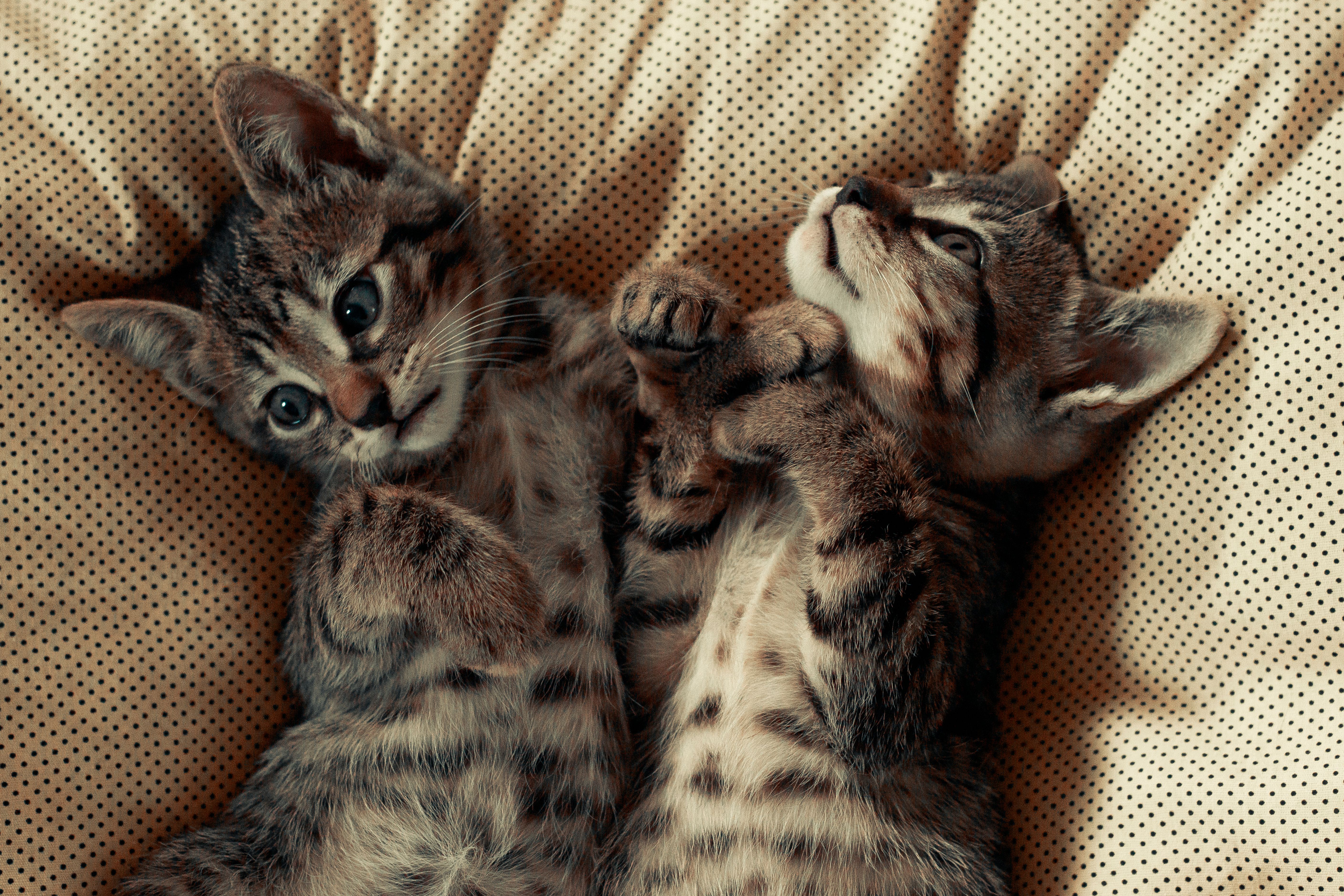
Cats are crepuscular, not nocturnal
Cats are most active at dawn and dusk — the hunting hours of their wild ancestors. An indoor cat that slept all day and got no exercise while you were at work is wide awake exactly when you are falling asleep. Some night noise is therefore normal; the goal is to move it, not to erase it.
The usual suspects
- Leftover energy with nowhere to go — especially in kittens and young adults.
- Hunger — a cat fed dinner at 6 p.m. is genuinely starving by morning, and learns that calling works.
- Trained behavior — if meowing has ever gotten food, a door opened, or even a scolding, it was rewarded. Attention of any kind counts.
- Unneutered cats yowl to find mates; outdoor cats visible through the window can trigger territory calling.
The evening routine that works
Cats run on a natural cycle: hunt, catch, kill, eat, groom, sleep. You can borrow it:
- Play hard before bed — 10 to 15 minutes with a wand toy, enough to actually tire them, ideally twice in the evening.
- Feed the main meal after play — a full belly after a "hunt" is the natural signal to sleep.
- Leave quiet enrichment — a puzzle feeder, a scratching post, a box. Not string or feather toys unsupervised.
- Then hold the line — if they call at 3 a.m. and you feed them, you have taught them to call louder and longer. Check they are safe, then ignore it. Expect a few worse nights first.
When night meowing means illness
A sudden change — a cat that never called at night now yowling loudly — deserves a vet visit before any behavior plan. In cats over about seven, increased night-time vocalizing is a classic sign of an overactive thyroid, high blood pressure, kidney disease, joint pain, or age-related cognitive decline (confusion and changed sleep-wake cycles). These are common in older cats and most are treatable, so do not write it off as "just getting old".
What not to do
- Do not punish — yelling or spraying frightens the cat and still counts as attention, so it reinforces the noise.
- Do not give in "just once" — intermittent rewards are the strongest kind for building a habit.
- Do not assume all meowing is misbehavior — a new, distressed-sounding call in an older cat is information, not nuisance.
Frequently asked questions
Sources
- Cats Protection — Cats at Night
- ASPCA — Common Cat Behavior Issues
- Merck Veterinary Manual — Behavior of Cats
Facts in this article were checked against the public references above on 17 October 2026. These organisations are independent and are not affiliated with WagWise Pet. See our editorial standards for how we research and correct guides.