Home › Dog Training › How to Stop Puppy Biting — Without Yelling
DOG TRAINING
How to Stop Puppy Biting — Without Yelling
Puppy biting is not aggression — it is teething and play. The fix is to redirect to a toy, reward gentle mouths, and make a brief withdrawal when teeth touch skin.
ADVERTISEMENT
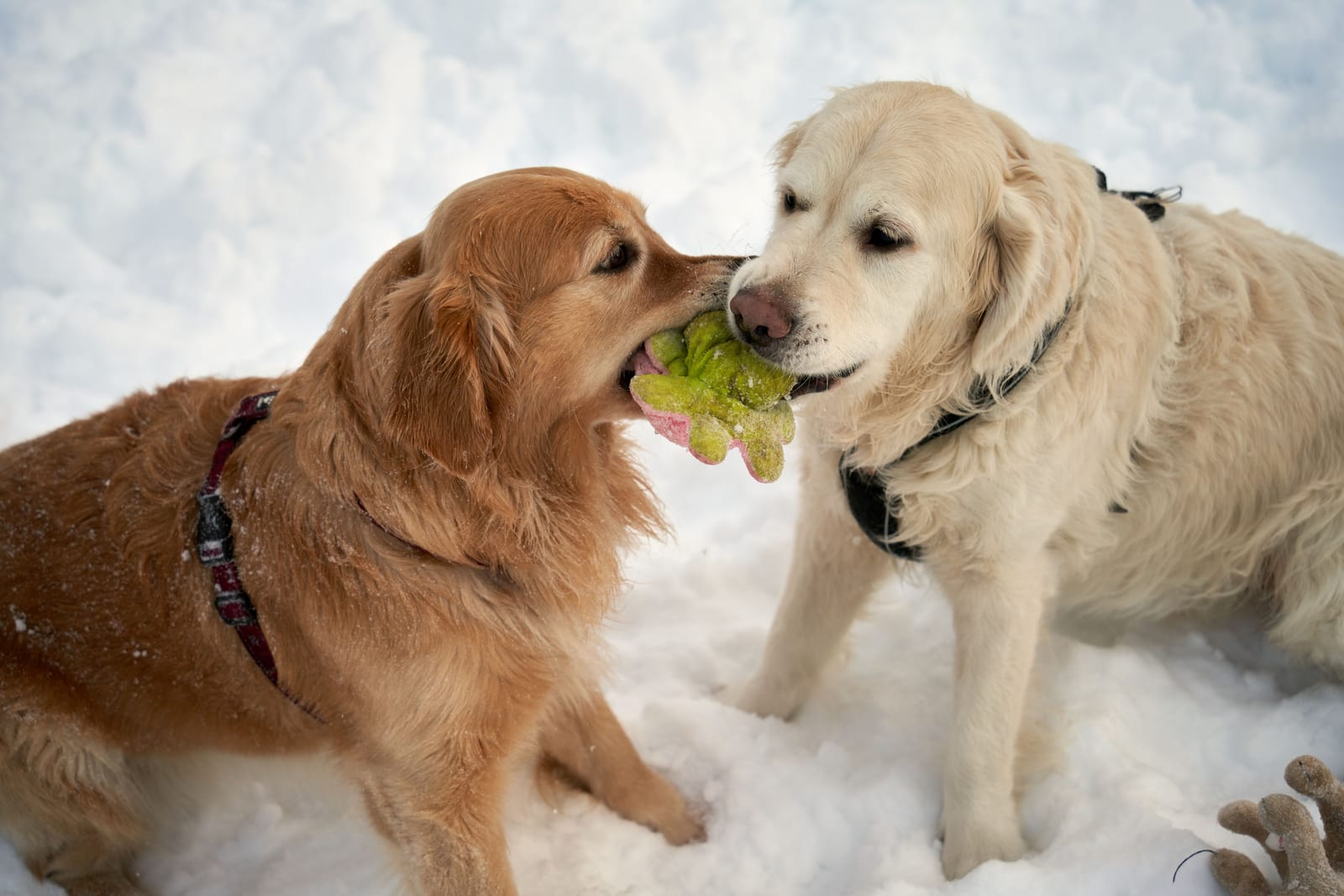
Why puppies bite
Puppies explore with their mouths and bite harder than they mean to because they have not learned bite inhibition yet. Littermates teach this by yelping; you can teach it too.
The redirect-and-reward method
- When teeth touch skin, say a calm "ouch" or just go silent, and offer a toy instead.
- If the puppy takes the toy, praise. If it keeps biting, stand up and turn away for 20-30 seconds — attention is the reward it wants.
- Keep a toy within reach so redirection is instant, not a search mission.
Do not hit, hold the muzzle, or shout. Those can make a fearless puppy bite harder or a soft one become hand-shy.
Extra help for teething
Cold chew toys from the freezer soothe sore gums. Rotate toys so they stay interesting. A tired puppy bites less — short training games burn energy.
When should it stop?
Biting should fade by 5-6 months as adult teeth come in and bite inhibition sets. Persistent hard biting past that, or any skin break with a growl, is worth a trainer's eyes.
Frequently asked questions
At what age do puppies stop biting?
Most puppies stop hard mouthing by 5 to 6 months, once adult teeth are in and bite inhibition is learned. Soft play-mouthing may linger longer.
Why does my puppy bite my ankles when I walk?
It is herding and chase instinct plus boredom. Stop moving, redirect to a toy, and give more exercise and mental games.
Should I use a bitter spray?
It can help as a backup, but the core fix is redirection and withdrawal of attention. Sprays alone rarely solve the habit.
Behavior guidance only. A puppy that breaks skin, growls, or snaps from a calm state should be assessed by a qualified trainer.